Monday, June 08, 2009

Cheney tied to cash theft and assassinations in Iraq and in Lebanon

Cheney tied to cash theft and assassinations in Iraq and in Lebanon

According to an informed source, Dick Cheney, while Vice President, amassed a fortune in cash stolen by U.S. occupation forces in Iraq from Saddam Hussein and some of his leading officials and advisers.

Sources report to WMR that U.S. troops confiscated "billions" in currency found stored in aluminum containers in various secret caches in Baghdad and elsewhere. Our sources report that the seized cash was transferred to accounts run by Cheney and the money is now being partly used to fund Cheney's growing political opposition movement to the Obama administration, including secretive payments to a "stay behind" group of Cheney loyalists who burrowed into senior civil service positions from political appointee jobs during the Bush administration. Cheney's loyalists are now in key positions to stymie Obama's programs and policies within a variety of Cabinet departments and federal agencies.

The recent intelligence about Iraqi cash ending up in the coffers of American officials is not the first time WMR has reported on the theft of Iraqi cash by U.S. forces.

On November 14, 2005, WMR reported: "In one of the worst intelligence fiascoes carried out by the neo-con administration of Iraq under Paul "Jerry' Bremer, Saddam Hussein's chief money mover and financial adviser was beaten to death by US interrogators in Tikrit after the U.S. invasion . . . As Saddam's chief financial adviser and money mover, Abu Seger [Sa'ad Hassan Ali], a man who was fluent in American-style English, knew where all the "financial skeletons" were buried -- details of Halliburton's involvement with the UN's Oil-for-Food program, the purchase by Iraq of VX nerve gas and other WMD components from US and British sources in the 1980s, and various counter-intelligence operations run by Saddam against the United States and Britain. Abu Seger was also one of Saddam's trusted counter-intelligence agents . . . After Samara was occupied by US forces, it was discovered that Abu Seger lived in a home on the Tigris River just 200 yards from the main U.S. military position in the city. It did not take long for U.S. troops to break down Seger's door and haul him off to a detention center. Seger's wife Sada, an English teacher, and U.S. military intelligence officers were witnesses to what soon transpired. U.S. forces discovered $40 million in plastic garbage bags in an armoire in Seger's bedroom. Contained in the bags was $14 million in US currency, $28 million in convertible Iraqi dinars, and $12 million in Euros. Although the money was counted, signed for by two U.S. military witnesses,and transported to U.S. military headquarters in Samara, it was never seen again. A knowledgeable source present at the time revealed that the $30 million was stolen by U.S. authorities in Iraq." http://newhk.blogspot.com/2008/12/uniiic-ii-report-revisited.html

Amid the other scandals surrounding Cheney, including his countenance of torture, the theft of cash and his possible involvement in the murder of Abu Seger may be added to the former vice president's rap sheet of crimes perpetrated in Iraq and in the United States.

Cheney recently built a multi-million dollar home in McLean, Virginia, a stone's throw from the CIA headquarters. He also owns luxury houses in Jackson, Wyoming and St. Michael's, Maryland.

Corporate U.S. news media drastically downplayed the amount of cash stolen from Iraq by U.S. forces and that the maximum amount of cash discovered in "cottages" was around $760 million, when, in fact, it was much higher. A handful of U.S. troops were charged with stealing some bundles of $100 bills. According to the May 28, 2004, Los Angeles Times some of the troops who admitted to stealing Iraqi cash tried to tell Army Criminal Investigative Division (CID) investigators that "higher-ups" stole much more, but their information was ignored.

From The Edge of Shadow Wars


From The Edge of Shadow Wars

Sudan: The two F-16s caught the trucks deep in the northen desert. Within minutes the column was a string of shattered wrecks burning fiercely in the January sun. Surveillance drones spotted a few vehicles that had survived the storm of bombs and cannon shells, and the fighter-bombers returned to finish the job.

Syria: Four Blackhawk helicopters skimmed across the Iraqi border, landing at a small farmhouse near the town of al-Sukkariyeh. Black-clad soldiers poured from the choppers, laying down a withering hail of automatic weapons fire. When the shooting stopped, eight Syrians lay dead on the ground. Four others, cuffed and blindfolded, were dragged to the helicopters, which vanished back into Iraq.

Pakistan: A group of villagers were sipping tea in a courtyard when the world exploded. The Hellfire missiles seemed to come out of nowhere, scattering pieces of their victims across the village and demolishing several houses. Between Jan. 14, 2006 and April 8, 2009, 60 such attacks took place, killing 14 wanted al Qaeda members along with 687 civilians.

In each of the above incidents, no country took responsibility or claimed credit. There were no sharp exchanges of diplomatic notes before the attacks, just sudden death and mayhem.

War without declaration

The F-16s were Israeli, their target an alleged shipment of arms headed for the Gaza Strip. The Blackhawk soldiers were likely from Task Force 88, an ultra-secret U.S. Special Forces group. The Pakistanis were victims of a Predator drone directed from an airbase in southern Nevada. Each attack was an act of war and a violation of the United Nations Charter. Each attack drew angry responses from the country whose sovereignty was violated, but since neither the Israelis nor the United States admitted carrying them out, the diplomatic protests had no place to go.

The “privatization” of war, with its use of armed mercenaries, has come under heavy scrutiny, especially since a 2007 incident in Baghdad in which guards from Blackwater USA (now “Xe”) went on a shooting spree, killing 17 Iraqis and wounding scores of others.

But the “covertization” of war has remained largely in the shadows. The attackers in the Sudan, Syria and Pakistan were not private contractors, but U.S. and Israeli soldiers presumably acting under orders from their respective military command.

In his book The War Within: Secret White House History 2006-2008, the Washington Post’s Bob Woodward disclosed that the U.S. military has developed “secret operational capabilities” to “locate, target, and kill key individuals in extremist groups.”

In a recent interview during a “Great Conversations” event at the University of Minnesota, two-time Pulitzer Prize-winning investigative journalist Seymour Hersh revealed a U.S. military “executive assassination ring,” part of the Joint Special Operations Command (JSOC).

“It’s a special wing of our special operations community that is set up independently. They do not report to anybody, except in the Bush-Cheney days, they reported directly to Cheney’s office,” he said, bypassing the Joint Chiefs of Staff and Defense Secretary Robert Gates.

Hersh says “Congress has no oversight” over the program, and that under the Bush administration, “they’ve been going into countries, not talking to the ambassador or the CIA station chief, and finding people on the list and executing them and leaving.”

According to a 2004 classified document uncovered by the New York Times, the United States has the right to attack “terrorists” in some 15 to 20 nations, including Pakistan, Syria, Yemen and Iran....and carry out ample political assassinations in Lebanon since January 24th 2002 and the infamous White House Murder INC, http://newhk.blogspot.com/2008/12/uniiic-ii-report-revisited.html

The Israeli military has long used “targeted assassinations” to eliminate Tel Aviv’s enemies... Hezbollah military commander Imad F. Mughniyeh was killed last year by a SYRIAN car bomb in Damascus, courtesy of Asef SHAWKAT's goons, and Shawkat is an agent for the Siamese twins, CIA/MOSSAD..... and a number of Hamas leaders have been assassinated in Gaza....

U.S. and NATO “assassination teams” have emerged in Iraq and Afghanistan, where, according to the United Nations, they have killed scores of people. Philip Alston of the UN Human Rights Council charges that secret “international intelligence services” allied with local militias are killing Afghan civilians and then hiding behind an “impenetrable” wall of bureaucracy.

When Alston protested the killing of two brothers in Kandahar, “not only was I unable to get any international military commander to provide their version of what took place, but I was unable to get any military commander to even admit that their soldiers were involved,” he told the Financial Times.

Alston says these “shadow” units work out of two U.S. bases in Afghanistan, one in Kandahar and other in Nangarhar.

In Iraq, such special operations forces have carried out a number of killings, including a raid that killed the son and a nephew of the governor of Salahuddin Province north of Baghdad. The Special Operations Forces (SOF) stormed the house at 3 a.m. and shot the governor’s 17-year-old son dead in his bed. When a cousin tried to enter the room, he was also gunned down. SOFs recently killed two men during an early morning raid in Kut, a city southeast of Baghdad.

Such “night raids” by SOFs have drawn widespread protests in Afghanistan. According to the Afghanistan Independent Human Rights Commission, night raids involve “abusive behavior and violent breaking and entry,” and only serve to turn Afghans against the occupation. Iraqi Prime Minster Nuri Kamal al-Maliki charged that the March 26 Kut raid violated the new security agreement between the United States and Iraq.

The Predator strikes have deeply angered most Pakistanis. Owais Ahmed Ghani, governor of the Northwest Frontier Province, calls the drone strikes “counterproductive,” and says they do little more than “attract more jihadis.” While everyone knows Americans direct the drones from bases in Afghanistan, Pakistan, and Nevada, the U.S. government does not officially take credit for the attacks.

The United States also sent SOFs across the Pakistani border to attack a village on Sept. 3, 2008, killing as many as 20 people.

If Congress agrees to Gates’ proposed Defense Department budget, it is likely that attacks by SOF and armed robots will increase. While most the media focused on the parts of the budget that step back from the big ticket weapons systems of the Cold War, the proposal actually resurrects a key Cold War priority of the 1960s.

“The similarities between Gates’ proposals and the strategy adopted by the Kennedy administration are too great to ignore,” notes Nation defense correspondent Michael Klare, including “a shift in focus toward unconventional conflict in the Third World.”

Gates’ budget would increase the number of SOFs by 2,800, build more drones like the Predator and its bigger, more lethal cousin, the Reaper, and enhance the rapid movement of troops and equipment. All of this is part of General David Petraeus’s “counter insurgency” doctrine.

The concept is hardly new. The units are different than they were 50 years ago—Navy SEALS and Delta Force have replaced Green Berets—but the philosophy is the same. And while the public face of counter insurgency is winning “hearts and minds” by building schools and digging wells, its core is 3 a.m. raids and Hellfire missiles.

The “decapitations” of insurgent leaders in Iraq, Afghanistan and Pakistan is little different—albeit at a lower level—than Operation Phoenix, which killed upwards of 40,000 “insurgent” leaders in South Vietnam during the war in Southeast Asia. The massacre of helpless Vietnamese peasants at My Lai was part of the Phoenix program.

In the past, war was an extension of a nation’s politics, “too important,” as World War I French Premier Georges Clemenceau commented, “to be left to the generals.”

But increasingly, the control of war is slipping away from the civilians in whose name and interests it is supposedly waged. While the “privatization” of war has frustrated the process of congressional oversight, its “covertization” has hidden war behind a wall of silence or denial.

“Congress has been very passive in relation to its own authority with regard to warmaking,” says Princeton international law scholar Richard Falk. “Congress hasn’t been willing to insist that the government adhere to international law and the U.S. Constitution.”

The SFOs may be hidden, but there are eight dead people in Syria, four of them reportedly children. There are at least 39 dead in northern Sudan, and dead men in northern and eastern Iraq, and southern Afghanistan. The number of dead in Pakistan runs into the hundreds.

The new defense budget goes a long ways toward retooling the U.S. military into a quick reaction/intervention force with an emphasis on counterinsurgency and covert war. The question is: Where will the shadow warriors strike next?

The Bahraini Authorities Recruit Mercenaries from Makran Town, Pakistan


The Bahraini Authorities Recruit Mercenaries from Makran Town, Pakistan

Source: http://www.bahrainrights.org/en/node/2902

The Bahraini Authorities Recruit of Mercenaries from Makran Town, Pakistan: The Bahrain Government's use of foreign mercenaries to oppress Bahraini people with legitimate demands and grievances leads to a growing hostility towards foreigners...


The little midget Jordanian Puppet and CIA Lackey, King Abdallah of CIA/MI6/MOSSAD creed....

"of course there is a whole contingent of Jordanian military Killers/Assassins/consultants as well as soldiers [in Bahrain], who either work for Bahraini security or are permanently seconded by the Jordanian CIA/MOSSAD army.... They even live in a separate exclusive suburb in the country and do not mix with the Bahrainin people, unlike Jordanian expats working in the country who live among the Bahraini population. It is more than likely that they were involved in the massacre this morning in Bahrain...."


The Bahrain Center for Human Rights


The Bahrain Center for Human Rights expresses its deep concern and dismay regarding the news received from Baluchistan Province in Pakistan regarding the presence of a Bahraini security delegation in the Pakistani town of Makran. The security delegation is said to be working to recruit men from this city, who belong to the Baluch tribes in Pakistan, to work as mercenaries in the Bahraini security services.....

"The secret police – the Bahrain national security agency, known in Arabic as the Mukhabarat – has undergone a process of "Bahrainisation" in recent years after being dominated by the British until long after independence in 1971. Ian Henderson, who retired as its director in 1998, is still remembered as the "Butcher of Bahrain" because of his alleged use of torture. A Jordanian official is currently described as the organisation's "master torturer"."

In his statement to News Online, Mr. Basham Baluch - Official spokesman for the Baluch Liberation Front (BLF) – appealed to the Baluchi people, saying, “The Bahraini army is currently recruiting members of the Makran area in Baluchistan. Under the current circumstances, we call upon the Baluchi nation not to become part of any tyrant or oppressive army, at a time when the Baluchi nation is living in a state of war and is going through a critical period. Instead of turning the young Baluchestanis into hired killers, they should join the national armies (Baluch Liberation Front, Baluchistani Liberation Army, the Baluch Republican Army (BLA)), to make the independence of their homeland a reality.” He added, “We warn all these institutions and demand that they put an immediate end to the recruitment process in Makran area. We are in a status of war, and are struggling against the tyrants ourselves, and we do not want the Baluch people to be used and turned into mercenaries.” The Baluch Liberation Front (BLF) has people’s support among the Baluch in Pakistan and the rest of the Gulf countries, and is engaged in a resistance to separate their province from Pakistan.

The Bahrain Center for Human Rights believes that the recruitment taking place in Makran aims to bring in more Baluch soldiers to join the Bahraini National Guard as well as the Special Forces that belong to the National Security apparatus. Both of these groups are made up of mostly foreign mercenaries, and used to suppress local movements petitioning for greater rights.
The National Security apparatus supervises the work of the semi-military forces on the field, which are made up of several thousands of individuals – almost 35% of whom are from Pakistani Baluchistan and were brought to Bahrain earlier, within alternating periods. These units are usually headed by an officer from the Al-Khalifa ruling family or by the tribes that are politically allied with it. Among these forces, there are no Shiite citizens.

These Special Forces, who are almost exclusively Sunni from a different countries, have been used to suppress the population of villages and areas where the majority of residents are Shiite (since Shiites make up the majority of the Bahraini population). Typically, these forces raid the Shiite villages after besieging the entrances and exits, and use tear gas and rubber bullets on all the residents, which has led to the injury of hundreds of people - among them elders, women and children who were wounded subject to suffocation. As well as this, several properties including houses and mosques have been damaged during sieges.
The Special Security Forces are also joined by groups of armed civilians affiliated with it. The armed civilians are of different nationalities, some are Baluch and others from some tribes in Jordan, Syria and Yemen. At times these forces dress in civilian clothes with black masks and attack villages, pursuing and abducting demonstrators and activists, and assaulting them.
According to the international standards on the prohibition of the use of mercenaries, the foreigners associated to the Special Forces are identified as mercenaries. They are brought selectively from abroad to be used in security or military issues outside the regular security and military services. They are trained and equipped, in particular, and are provided with features job-wise and materialistically, which the normal security employees - foreigners and citizens - do not get, such as housing, travel and family reunification. In Bahrain, the majority of the mercenary forces live with their families in areas isolated from the rest of the citizens, such as “Safra” area, and which is a remote area to the south of Riffa town. Most of those were granted the Bahraini citizenship, as part of the government's demographic change project which aims at changing the demography and turning the Shiite citizens in Bahrain to a minority. Documented reports indicate show that naturalised mercenaries have been used effectively in previous elections to marginalize the liberal opposition and the Shiite majority, as detailed in the documents of the Al Bandar report
http://www.bahrainrights.org/node/528 and http://www.bahrainrights.org/node/610 . The actions of these forces and the violations committed by them have been condemned by International human rights organizations in the past.

The United Nations has repeatedly condemned the countries which have allowed or tolerated recruitment, use of, financing and training of mercenaries. It has even expressed its concerns regarding the danger activities of mercenary groups poses to civil peace and security in small states, regardless of the way the mercenaries are used or the form they take to acquire some legitimate position, such as resettling or naturalization or other. Bahrain, until now, has not signed the International Convention against the Recruitment, Use, Financing and Training of Mercenaries, 4 December 1989.

In the course of his comment, Nabeel Rajab – president of the BCHR – said, “We appreciate and respect the Baluch people, for these people have a history and civilization and are conscious of their rights due to the sufferings and oppression which their people have faced. These people also have their contributions in building our country Bahrain just as in the rest of the Arabian Gulf States.
However the security institutions in Bahrain are taking advantage of the economic situation and poverty that these Baluch are undergoing in their country, and are recruiting more of its youth as mercenaries in a way that violates international law, and are throwing them and risking their lives in battles against the residents of the country who are demanding their rights.
We believe that the majority of those recruits are ignorant of the role they are playing and the violations they are committing by accepting these jobs. Most of them do not know that mercenarism is internationally prohibited and condemned, besides creates a lot of hatred for the people of this country.”
Rajab added, “We call upon human rights organizations, political parties and civil societies institutions in Baluchistan province to work on educating young people about the risks of getting involved in such internationally prohibited and condemned work”.

Based on the above, the Bahrain Center for Human Rights renews its demands for the following:

1. To put an end to the policy of bringing and using foreign mercenaries to work for the security services and Special Forces to confront the peaceful public protests and local movements for greater civil and human rights

2. To dissolve the National Security apparatus and the Special Security Forces and to return their powers to the regular security institutions.

3. To end the decree of laws that violate rights, institutions and practices which restrict and suppress public liberties, and to guarantee and maintain civil and political rights and public freedoms, especially those related to expression, peaceful gathering and organization.

4. To end the continuous violations, pursuits, and abductions of human rights defenders and political activists, and to guarantee a healthy and appropriate environment for the work of the human rights organizations and civil institutions away from constraining regulations, interference and threats of the security services.

5. The members of the parliament should work on drafting laws that criminalize recruiting of mercenaries and should question those responsible for the security institutions for all the violations, and which includes recruiting and using mercenaries for internal disputes.

6. To initiate a genuine reconciliation between the ruling elite and all the people of Bahrain, with all their various sects and ethnicities, and to pave the way for true reforms where the government does not need to use foreigners against its own citizens....

The U.S. is expanding its naval base in the Persian Gulf nation of Bahrain. The navy has taken over the Mina Salman port, which transferred all commercial operations to the new Khalifa bin Salman port two months ago. The navy is leasing 70 acres of waterfront space at Mina Salman. At the capital, the navy has an acre at the port there, and 42 acres at a nearby base. The new port is large enough to berth the largest U.S. ships (the Nimitz class carriers.) The port currently supports sixteen American warships operating in the area.

Thus the U.S. Navy has turned a minor naval station in the Persian Gulf, into one of its most crucial bases for the war on terrorism. The U.S. moved into a minor naval base in Bahrain in 1973, when the British gave it up. The Bahrainis, like most of the other small states along the west coast of the Persian Gulf, like to have some friendly Western power in residence. This provides some insurance against Saudi Arabia to the west, and Iran to the east. Before 1918, the British presence helped keep the Ottoman (Turkish) Empire off their backs as well. All the Bahrainis ask is that the foreign troops be quiet, and discreet. Until 2002, the Bahraini base was a place where U.S. warships could tie up for repairs, or recreation for the crews. About 3,600 American military personnel were stationed there. There was an airbase for navy and air force transports and warplanes. The Bahrainis denied much of this activity, so as to avoid getting pilloried by other Arab states. But Bahrain is a small place (a 655 square kilometer island about 20 kilometers off the Saudi coast, and a population of about 700,000), and it's difficult for things like warships and warplanes to go unnoticed.

In the last five years, several hundred million dollars has gone into building more permanent facilities. The trailers and other "temporary structures" were replaced by more permanent buildings and facilities. This included a new pier, just for military ships. There is a shopping center just for the military, and a lot of recreational facilities for the troops. Until 2004, some troops could bring their families. But now it's all military, and the brass try to keep everyone happy on base. It's a one year tour for most, but Bahrain is pretty popular. Living conditions are good, and the local Bahranis are pretty mellow and friendly by Middle Eastern standards.

While the Bahrani population is only 700,000, oil and gas provide a per-capita income of over $20,000. The oil is running out, so Bahrain has been recasting itself as an Arab playground and financial center, replacing Beirut, Lebanon (which ceased, for two decades, to play that role in the late 1970s because of a civil war). Bahrain has used a lot of their oil revenue to build infrastructure, and encouraged entrepreneurs to create shopping and entertainment facilities superior to anything available in the region. Unlike Saudi Arabia, which is connected to Bahrain by a causeway bridge, Bahrain does not enforce Islamic law on visitors or residents. Bahrain has, for centuries, been a port of call for ships, and sailors. That means booze and women were always available. But now there are also shopping malls, a full range of hotels, brothels, clubs and bars. Most of the business for the entertainment spots, comes from Saudi Arabia, but sailors, especially those from the 40-50 foreign warships that base themselves here, come a close second. A little over half the foreign sailors are American.

While generally peaceful, the country has many unhappy, and violence prone, citizens. The problems are many. First, there is the monarchy. Although competent, many of the educated citizens would prefer a democracy. Then there's the religion angle. The monarchy is Sunni, while two thirds of the population are Shia. Moreover, about 20 percent of the population are Christian and Hindu. This offends about ten percent of the population who are Islamic conservatives. Thus the police have a Shia majority that is often stirred up when the Islamic radicals get violent. Then the Shia villagers will take to the streets, and riot, if they feel the police are being too hard on Shia Islamic radicals. This violence rarely gets into the urban, and tourist, areas. But at times, the police have to warn visitors going outside the city, to avoid certain towns and villages.

With all this, many American sailors, after one tour of duty in Bahrain, often volunteer to come right back......

Saturday, June 06, 2009

ORGANIGRAMME DU MOSSAD2 : Structures du Mossad en 2008


Crée formellement en 1951, l’Institut pour le renseignement et les affaires spéciales (ha-Mossad le-Modiin ule-Tafkidim Meyuhadim המוסד למודיעין ולתפקידים מיוחדים) ou MOSSAD est l’organe d’action et de renseignement extérieur le plus célèbre d’Israël.

Outre ses fonctions de renseignement et de contre espionnage extérieur, de lutte anti terroristes voire d’actions spéciales (cambriolages, sabotages, assassinats..), le MOSSAD est aussi chargé de faciliter l’émigration (aliyah) des communautés juives persécutés. Il a notamment réussi des opérations de ce type au Yémen dans les années 60 et en Ethiopie durant les années 80.

Le Directeur du MOSSAD est nommé par le Premier Ministre après avis des président de commission de la défense et des Affaires Etrangères de la Knesset.

Ce directeur est assisté d’un adjoint qui, depuis 1995, assume aussi la fonction de chef du Directorat des Opérations.


DIRECTEURS-ADJOINTS DU MOSSAD

Isser HAREL1952-1953

Izzi DOROT1953-1963

Yaakov CAROZ 1964-

David KIMCHE 1976-1980

Nahum ADMONI 1980-1982

Shmuel GOREN 1982-1984

Menahem “Nahik” NAVOT1984-1986

Shabtai SHAVIT 1987-1989

Ephraïm HALEVY 1990-1995

Aliza MAGEN 1995-1998

Amiram LEVINE 1998-2000

Ilan MIZRAHI 2000-2003

Tamir FREDO 2003-2005

Natalin GRANOT 2005-2007

Tamir FREDO 2007-

Le N°3 du service étant le chef du Directorat de Soutien

Directorat des Opérations

Chapeauté par le directeur adjoint du Mossad , ce directorat est composé des divisions suivantes :


+TSOMET : Crée en 1955 cette division est chargé du recrutement et du traitement des sources humaines à l’étranger. Ce travail s’effectue par l’intermédiaire de ses représentations (stations) au sein de certaines ambassades israéliennes.

Chefs connus :

David KIMCHE dans les années 70

Benny ZEEVI -FARKASH dans les années 80

Rehaviah VARDI dans les années 80

Avi DAGAN de 1993 à 1996

Ilan MIZRAHI de 1997 à 1999

Natalin GRANOT de 2002 à 2005

+ TEVEL : (Anciennement KAISARUT) Liaisons extérieures et diplomatie non officielle. Cette division créée en 1958 est chargé d’entretenir et de fortifier des relations avec des pays qui ne reconnaissent pas l’Etat d’Israël (Maroc, Pays du Golfe…), mais aussi d’effectuer la liaison avec les services alliés (France, USA, Grande Bretagne…). Comme dans les services anglais ou allemands, le poste d’officier de liaison TEVEL au sein de l’ambassade de Washington est un des plus importants du service.

Chefs connus :

David KIMCHE de 1976 à 1980


Menahem "Nahik" NAVOT de 1980 à 1981


Nahum ADMONI jusqu'a 1982

Ephraïm HALEVY de 1985 à 1990

Yitzhak BARZILAY dans les années 90

Yoram HESSEL de 1999 à 2003

+ KESARIA (Anciennement KOMEMIUTE puis METSADA): C’est la direction des opérations spéciales. Elle est chargé notamment des opérations d’élimination physique des ennemis d’Israël au travers de sa branche KIDON.

Chefs connus :

Mike HARARI années 70

Aharon SHAHAR en 1984

Hagai HADAS à la fin des années 90


+ NEVIOT (Anciennement KESHET) : C’est la division chargé des opérations de surveillance technique (Photographie, Ecoutes et cambriolages) La branche la plus célèbre de cette division est la chargée de faire « parler les objets ». Ce sont des officiers de cette division qui ont été arrêtés en 1998 par la Police suisse alors qu’ils tentaient de poser une écoute sur la ligne d’un soutien présumé du Hezbollah

Chefs connus :

Yitzhak BARZILAY jusqu‘a 1998

Tamir FREDO de 2000 à 2003


+ DIRECTION DU RENSEIGNEMENT : Créée en 1974 elle est chargée de l’analyse des renseignements recueillis par les divisions précédemment citées. Ces études sont destinées aux services du Premier Ministre et dans une moindre mesure à certains membres de la Knesset dans leurs processus de décision.

Chefs connus :

Uzi ARAD

Uri NEEMAN

Uri CHEN

Brig Gen Amnon SOFRIN de 2003 à 2008

+BITZUR (Aide à l'émigration des communautés juives menacées) C'est la spécificité du MOSSAD dans la communauté du renseignement mondiale. Cette section a notamment été en pointe dans l'émigration des communautés juives en Irak dans les années 50 et au Yémen dans les années 60. Son plus grand succès se déroula en Ethiopie avec les sauvetage de 20.000 falachas.

Chefs connus :


Ephraïm HALEVY (80-85)

LE DIRECTORAT DE SOUTIEN


Ce directorat est –avec celui des opérations- la deuxième branche de l’Institut. Depuis 2003 son responsable en tant que chef d’Etat Major est le n°3 du MOSSAD.

Ces prérogatives couvrent toutes les fonctions non opérationnelles du service la technologie, les ressources humaines, l’administration, l’entrainement ainsi que la sécurité intérieure.

Paradoxalement il existe moins d’informations disponibles sur cette partie du MOSSAD.


RESPONSABLES CONNUS :

Jusqu'à 1980 Menahem « Nahik » NAVOT (directeur de l’administration)


- SERVICE R&D

On peut estimer que -dans le contexte international depuis 15 ans- ce service détient une grande expertise technique dans les domaines nucléaires chimiques et bactériologiques.

Très probablement chargé de la production ou de l’achats des différents gadgets nécessaires à l’accomplissement des missions spéciales du service il a certainement créé et produit le poisson utilisé par l’unité Action du MOSSAD contre Khaled MESHAAL à Amman en 98.

RESPONSABLES CONNUS :

Années 80 : Colonel (res.) Elie GAMZON qui fut ensuite directeur d’une société de production de drones


- RESSOURCES HUMAINES

Dans toute organisation humaine –sociétés ou administration- celui ou celle qui contrôle le service du personnel et donc la gestion des carrières détient un pouvoir important. D’Yves BERTRAND au sein des RG à Richard DEARLOVE au MI6 il peut même être la dernière marche avant le poste suprême.

Cette division est aussi responsable de l’Ecole de formation du MOSSAD.

RESPONSABLES CONNUS :

89-95- Aliza MAGEN


- SECURITE INTERNE

Cette cellule est la plus secrète du service et je dois à la vérité de dire que je n’ai aucune information FIABLE a son sujet.


LES STRUCTURES EXTERIEURES

A l’instar des organismes de renseignement extérieur à vocation mondiale, comme la CIA le SVR la DGSE ou le SIS, le MOSSAD dispose de représentations extérieures de ses services.

Pour faciliter la compréhension nous emploierons ici le terme générique de station.

Il semble bien que, dans les grandes capitales en tout cas, il existent deux structures du MOSSAD distinctes l’une de l’autre :


- Une station du TEVEL chargé des relations avec les services locaux de sécurité et de contre espionnage mais aussi des relations avec les forces politiques et économiques. Cette station est généralement installé au sein des ambassades et dirigé par un officier ayant pour couverture les grades de 1er secrétaire ou de conseiller.


Il semble que le MOSSAD dispose de ce type de stations dans les capitales suivantes : WASHINGTON, NEW YORK, LONDRES, ROME, MILAN, BERLIN, BERNE, PARIS, MARSEILLE, ANKARA, LE CAIRE, AMMAN, NAIROBI, SINGAPOUR, PEKIN.


Selon mes recherches les stations TEVEL de Washington et de paris ont été dirigés par les officiers suivants :


TEVEL PARIS

55-60- Yaacov CAROZ

60-62- Naftali KENAN

62-64- Yaacov CAROZ

64-65- Zvi AHARONI

65-67- Naftali KENAN

67-71- Nahum ADMONI

71- Yosef Paul KEDAR

77-79-Ephraim HALEVY

79-82- Arie SIVAN

82-84 – David ARBEL

84- Moshe TAL

87- Uzi ARAD


TEVEL WASHINGTON

71-73- Nahum ADMONI

73-77-Ephraim HALEVY

84-Zave ALAN

86- David ARBEL

89-93- Uri CHEN

93-97- Yoram HESSEL

97-00- Arie REGEV


- Une station du TZOMET complète ce dispositif à l’étranger. Cette structure est par définition bien plus discrète que celle du TEVEL. Il semble même que dans certains cas elle soit installée hors des locaux des ambassades et donc sans la protection de l‘immunité diplomatique.


ORGANIGRAMME DU MOSSAD : Structures du Mossad en 2008


Crée formellement en 1951, l’Institut pour le renseignement et les affaires spéciales (ha-Mossad le-Modiin ule-Tafkidim Meyuhadim המוסד למודיעין ולתפקידים מיוחדים) ou MOSSAD est l’organe d’action et de renseignement extérieur le plus célèbre d’Israël....et qui a organise de A a Z avec AMAN et IDF, les operations SPARK et IRON BRAIN durant la guerre du Liban de 1928...et qui ont eu pour but les assassinats a SABRA et CHATILA, commis par les Sayarets Metkal et la milice SLA de Saad HADDAD. [ Pour plus de details voir et lire le livre de Alain MENARGUES, "Les secrets de la guerre du Liban"...]

Outre ses fonctions de renseignement et de contre espionnage extérieur, de lutte anti terroristes voire d’actions spéciales (cambriolages, sabotages, assassinats....), le MOSSAD est aussi chargé de faciliter l’émigration (aliyah) des communautés juives persécutés. Il a notamment réussi des opérations de ce type au Yémen dans les années 60 et en Ethiopie durant les années 80.

Le Directeur du MOSSAD est nommé par le Premier Ministre après avis des président de commission de la défense et des Affaires Etrangères de la Knesset.

Ce directeur est assisté d’un adjoint qui, depuis 1995, assume aussi la fonction de chef du Directorat des Opérations.


DIRECTEURS-ADJOINTS DU MOSSAD

Isser HAREL1952-1953

Izzi DOROT1953-1963

Yaakov CAROZ 1964-

David KIMCHE 1976-1980

Nahum ADMONI 1980-1982

Shmuel GOREN 1982-1984

Menahem “Nahik” NAVOT1984-1986

Shabtai SHAVIT 1987-1989

Ephraïm HALEVY 1990-1995

Aliza MAGEN 1995-1998

Amiram LEVINE 1998-2000

Ilan MIZRAHI 2000-2003

Tamir FREDO 2003-2005

Natalin GRANOT 2005-2007

Tamir FREDO 2007-

Le N°3 du service étant le chef du Directorat de Soutien

Directorat des Opérations

Chapeauté par le directeur adjoint du Mossad , ce directorat est composé des divisions suivantes :


+TSOMET : Crée en 1955 cette division est chargé du recrutement et du traitement des sources humaines à l’étranger. Ce travail s’effectue par l’intermédiaire de ses représentations (stations) au sein de certaines ambassades israéliennes.

Chefs connus :

David KIMCHE dans les années 70

Benny ZEEVI -FARKASH dans les années 80

Rehaviah VARDI dans les années 80

Avi DAGAN de 1993 à 1996

Ilan MIZRAHI de 1997 à 1999
Natalin GRANOT de 2002 à 2005

+ TEVEL : (Anciennement KAISARUT) Liaisons extérieures et diplomatie non officielle. Cette division créée en 1958 est chargé d’entretenir et de fortifier des relations avec des pays qui ne reconnaissent pas l’Etat d’Israël (Maroc, Pays du Golfe…), mais aussi d’effectuer la liaison avec les services alliés (France, USA, Grande Bretagne…). Comme dans les services anglais ou allemands, le poste d’officier de liaison TEVEL au sein de l’ambassade de Washington est un des plus importants du service.

Chefs connus :

David KIMCHE de 1976 à 1980


Menahem "Nahik" NAVOT de 1980 à 1981


Nahum ADMONI jusqu'a 1982

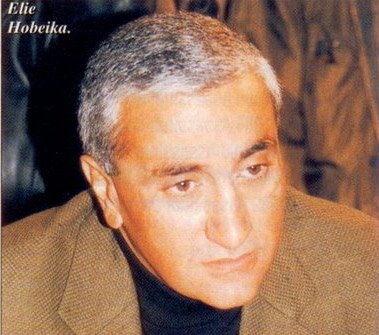
Ephraïm HALEVY de 1985 à 1990...., MOSSAD Head until 2002...., he is responsible for Mr. Elie HOBEIKA's assassination, together with Georges TENET and Asef SHAWKAT.....

Yitzhak BARZILAY dans les années 90

Yoram HESSEL de 1999 à 2003

+ KESARIA (Anciennement KOMEMIUTE puis METSADA): C’est la direction des opérations spéciales. Elle est chargé notamment des opérations d’élimination physique des ennemis d’Israël au travers de sa branche KIDON.

Chefs connus :

Mike HARARI années 70

Aharon SHAHAR en 1984

Hagai HADAS à la fin des années 90

+ NEVIOT (Anciennement KESHET) : C’est la division chargé des opérations de surveillance technique (Photographie, Ecoutes et cambriolages) La branche la plus célèbre de cette division est la chargée de faire « parler les objets ». Ce sont des officiers de cette division qui ont été arrêtés en 1998 par la Police suisse alors qu’ils tentaient de poser une écoute sur la ligne d’un soutien présumé du Hezbollah

Chefs connus :

Yitzhak BARZILAY jusqu‘a 1998

Tamir FREDO de 2000 à 2003

+ DIRECTION DU RENSEIGNEMENT : Créée en 1974 elle est chargée de l’analyse des renseignements recueillis par les divisions précédemment citées. Ces études sont destinées aux services du Premier Ministre et dans une moindre mesure à certains membres de la Knesset dans leurs processus de décision.

Chefs connus :

Uzi ARAD

Uri NEEMAN

Uri CHEN

Brig Gen Amnon SOFRIN de 2003 à 2008

+BITZUR (Aide à l'émigration des communautés juives menacées) C'est la spécificité du MOSSAD dans la communauté du renseignement mondiale. Cette section a notamment été en pointe dans l'émigration des communautés juives en Irak dans les années 50 et au Yémen dans les années 60. Son plus grand succès se déroula en Ethiopie avec les sauvetage de 20.000 falachas.

Chefs connus :


Ephraïm HALEVY (80-85)

LE DIRECTORAT DE SOUTIEN


Ce directorat est –avec celui des opérations- la deuxième branche de l’Institut. Depuis 2003 son responsable en tant que chef d’Etat Major est le n°3 du MOSSAD.

Ces prérogatives couvrent toutes les fonctions non opérationnelles du service la technologie, les ressources humaines, l’administration, l’entrainement ainsi que la sécurité intérieure.

Paradoxalement il existe moins d’informations disponibles sur cette partie du MOSSAD.


RESPONSABLES CONNUS :

Jusqu'à 1980 Menahem « Nahik » NAVOT (directeur de l’administration)


- SERVICE R&D

On peut estimer que -dans le contexte international depuis 15 ans- ce service détient une grande expertise technique dans les domaines nucléaires chimiques et bactériologiques.

Très probablement chargé de la production ou de l’achats des différents gadgets nécessaires à l’accomplissement des missions spéciales du service il a certainement créé et produit le poisson utilisé par l’unité Action du MOSSAD contre Khaled MESHAAL à Amman en 98.

RESPONSABLES CONNUS :

Années 80 : Colonel (res.) Elie GAMZON qui fut ensuite directeur d’une société de production de drones


- RESSOURCES HUMAINES

Dans toute organisation humaine –sociétés ou administration- celui ou celle qui contrôle le service du personnel et donc la gestion des carrières détient un pouvoir important. D’Yves BERTRAND au sein des RG à Richard DEARLOVE au MI6 il peut même être la dernière marche avant le poste suprême.

Cette division est aussi responsable de l’Ecole de formation du MOSSAD.

RESPONSABLES CONNUS :

89-95- Aliza MAGEN


- SECURITE INTERNE

Cette cellule est la plus secrète du service et je dois à la vérité de dire que je n’ai aucune information FIABLE a son sujet.


LES STRUCTURES EXTERIEURES

A l’instar des organismes de renseignement extérieur à vocation mondiale, comme la CIA le SVR la DGSE ou le SIS, le MOSSAD dispose de représentations extérieures de ses services.

Pour faciliter la compréhension nous emploierons ici le terme générique de station.

Il semble bien que, dans les grandes capitales en tout cas, il existent deux structures du MOSSAD distinctes l’une de l’autre :


- Une station du TEVEL chargé des relations avec les services locaux de sécurité et de contre espionnage mais aussi des relations avec les forces politiques et économiques. Cette station est généralement installé au sein des ambassades et dirigé par un officier ayant pour couverture les grades de 1er secrétaire ou de conseiller.


Il semble que le MOSSAD dispose de ce type de stations dans les capitales suivantes : WASHINGTON, NEW YORK, LONDRES, ROME, MILAN, BERLIN, BERNE, PARIS, MARSEILLE, ANKARA, LE CAIRE, AMMAN, NAIROBI, SINGAPOUR, PEKIN.


Selon mes recherches les stations TEVEL de Washington et de paris ont été dirigés par les officiers suivants :


TEVEL PARIS

55-60- Yaacov CAROZ

60-62- Naftali KENAN

62-64- Yaacov CAROZ

64-65- Zvi AHARONI

65-67- Naftali KENAN

67-71- Nahum ADMONI

71- Yosef Paul KEDAR

77-79-Ephraim HALEVY

79-82- Arie SIVAN

82-84 – David ARBEL

84- Moshe TAL

87- Uzi ARAD


TEVEL WASHINGTON

71-73- Nahum ADMONI

73-77-Ephraim HALEVY

84-Zave ALAN

86- David ARBEL

89-93- Uri CHEN

93-97- Yoram HESSEL

97-00- Arie REGEV


- Une station du TZOMET complète ce dispositif à l’étranger. Cette structure est par définition bien plus discrète que celle du TEVEL. Il semble même que dans certains cas elle soit installée hors des locaux des ambassades et donc sans la protection de l‘immunité diplomatique....

Guerres de successions au sommet du MOSSAD depuis 1996

November 29th, 2010, one Battle is OVER... the WAR will continue unabated.....
tamir pardo mossad chief

Tamir Pardo, incoming Mossad chief of Sephardic origin....this will make for some more sweet battles to come with the Ashkenazis......

The BOND with the infamous White House Murder INC,.... will be strengthened some more....and Asef SHAWKAT can rest assured of FULL Protection from STL.....no matter what...., but he has one more assassination to go on behalf of the Siamese Twins, CIA/MOSSAD.....and I KNOW that this one will be his undoing....because it won't succeed.......ever....?

Tamir Pardo, twice deputy director of the Mossad, will replace hard-charging former army general and black operations specialist Meir Dagan, who has run the agency since 2002....

The following in their OWN WORDS......

Dagan is due to retire in December after eight years in which he revitalized a service demoralized by failures and internal turf wars, and pulled off a series of intelligence coups....

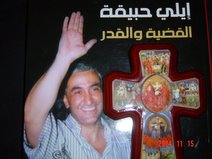
These are believed to include the assassination of Lebanese Leaders, starting with Mr. Elie HOBEIKA, January 24th 2002...., and Syrian "Suicided..." leaders, and Palestinians, with close cooperation with Asef SHAWKAT's military intelligence goons........ as well as Iranian nuclear scientists. One was killed in a daylight bombing in Tehran Monday and another was wounded. Authorities blamed Israel/USA for those attacks....and the infamous White House Murder INC,'s fingerprints are all over it....., since the Siamese Twins CIA/MOSSAD have perfected their assassinations for years, if not decades....

You read it here first. And no Israeli media site had the guts to break the gag. I find it interesting that Bibi Netanyahu disclosed his choice precisely one day after Yossi Melman, Haaretz’s military-intelligence correspondent, using information I provided, vented his spleen that he could not disclose Tamir Pardo’s identity, despite the fact that I had already done so and Alon Ben David had already done so as far back as last June.

UPDATE: A reader reports in the comment thread that Ben David removed his tweet sometime after Melman wrote his story yesterday (you can still see it in Google cache here). I swear the behavior of some Israeli reporters reminds me more of frightented lemmings than journalists. By the way, Alon, you can restore the tweet now. Pardo’s name is official and you won’t get into trouble with the censors for naming him, even last June.

Anyway, Bibi has made it official, the new Mossad director-designate is Tamir Pardo, a veteran of the Entebbe raid who served under the prime minister’s brother, Yoni. Pardo rose through the intelligence agency ranks to the number 2 position under current director, Meir Dagan. Dagan has a history of driving away his number 2s and several resigned in anger during his tenure including Pardo, who eventually left the intelligence community entirely and delved in business ventures with Israeli gambling entrepreneur, Noam Lanir. The new spy chief lives in the small central Israel moshav of Nirit, within the Green Line.

Bibi apparently decided that Pardo deserved the job and the deep family bonds can’t have hurt the latter’s candidacy. One wonder what happened to the two other far better known candidates, Amos Yadlin and Yuval Diskin, who seemed more logical choices for that reason. Haaretz reports that at least one other candidate rejected Bibi’s offer of the job. It doesn’t seem as plum an assignment for some as one would expect.

Pardo began his career with Mossad as a technician and rose to head the Operations division (Neviot) which, according to Yossi Melman was assigned the task of penetrating espionage targets to plant bugs and obtain photographs.

One of the director designate’s primary assignments will be to continue efforts to sabotage Iran’s nuclear program, the effects of which may be seen in yesterday’s news that two Iranian nuclear scientists were attacked by car bombs and one was killed. This is the third such attack on Iran’s scientific community by unknown assailants. Interesting to note that Hezbollah’s operations chief, Imad Mugniyeh was murdered by a similar method of car bombing in Damascus. It would seem to be a method of choice for the Mossad or whoever the killers might be, when they can’t get close enough to drug and kill the victim (a la al-Mabouh).

My exposure of Pardo’s identity shows once again the utter pointlessness of many customs of Israeli intelligence secrecy. A cursory reading of the media coverage about Pardo when he was merely “T.” and a search of Google Books turned up his real name. What kind of national security state is this? I’ll bet they even classify the type of toilet paper the Mossad chief uses for fear it will reveal some hidden vulnerability.

The truth is that when everything is secret, the concept loses any real meaning and both citizens and those outside Israel believe the concept is little more than a laughingstock, a fig leaf to conceal any deed or fact the intelligence agencies prefer to remain hidden.

Another negative impact of such secrecy is that candidates whose identities are hidden cannot be vetted properly either by the politicians who appoint them or the media. So Pardo or any other potential intelligence director may have skeletons in his closet and they will not be known until he is already in the job (or given Israel’s level of secrecy, they may never be known).

No one in reporting this story has mentioned the likelihood that Pardo is of Sephardic origin, since his last name originates in Castille, Spain. If I’m right, he would be the first Mossad head of Sephardic background, an important milestone.....


Shabtai SHAVIT

Depuis 1996 et le départ de Shabtaï SHAVIT, trois directeurs se son succédés à la tête du MOSSAD le service de renseignement et d’opérations spéciales israélien :


Danny YATOM

- De 1996 à 1998 le Général Danny YATOM qui est remplacé à la suite de plusieurs échecs opérationnels notamment en Jordanie et en Suisse.


Ephraïm HALEVY

- Jusqu’en 2002 Ephraïm HALEVY un vétéran du service de liaison du MOSSAD (TEVEL) et directeur adjoint de 1990 à 1995 remet de l’ordre au sein du service....Ce criminel assassin, est responsable de l'assassinat de Mr. Elie HOBEIKA en Janvier 24 2002, avec Georges TENET et Asef SHAWKAT.....


Meir DAGAN

- Enfin Meir DAGAN est nommé, par Ariel SHARON, en 2002....

En quittant le MOSSAD en 1996, SHAVIT laisse un service apparemment encore efficace. Bien que certaines frictions et lacunes soient apparues en 1991 lors de la guerre du Golfe, les experts s’accordent alors a considérer le MOSSAD comme le service le plus efficient du Moyen Orient sinon du monde.

En 1996 l’adjoint au directeur est une adjointe : Aliza MAGEN, première femme a atteindre ce poste au sein de la petite communauté du renseignement israélien, remplace depuis un an Ephraïm HALEVY nommé ambassadeur à Bruxelles. Mme MAGEN a notamment été affectée au poste TZOMET (Recherche opérationnelle) en RFA au début des années 80.

Yoram HESSEL

Le chef du poste TEVEL (Liaison et relations extérieures) à Washington, depuis 3 ans et pour un an encore , est Yoram HESSEL vétéran de la guerre des 6 jours au sein d’un régiment parachutiste.

Ilan MIZRAHI

Au sein de la division TZOMET Ilan MIZRAHI, responsable du contre terrorisme, vétéran des opérations à l’étranger et homme discret connu pour sa capacité d’écoute, apparaît comme un de meilleurs connaisseurs des mondes arabe et perse. Il sera nommé chef de cette division en 1997.

Uzi ARAD

Le chef de la Division Recherche (Analyse du renseignement) est Uzi ARAD l’ancien chef du poste TEVEL à Paris en 1987.


La branche KIDON (Exécutions) de la division KESARIA (Opérations spéciales) est dirigé par Hagai HADAS au service depuis 1977. Né en 1954, HADAS a été élevé dans un kibboutz. C’est un vétéran du Sayeret Matkal (l’élite des régiments parachutistes) dont il fut le commandant en second sous les ordres de Yiftach REICHER en 1975-76. En tant que membre puis chef de KIDON il a notamment participé ou organisé les disparitions brutales d’Abu JIHAD à Tunis en 1988 et de Fathi SHIKAKI à Malte en 1995.

Les restes de Fathi SHIKAKI

Enfin Yitzhak BARZILY bien que proche de la retraite est encore chef de la division NEVIOT (Cambriolages et Ecoutes).

Le général Danny YATOM -un authentique héros militaire de l’Etat hébreu surnommé « le prussien »- arrive au MOSSAD sans aucune expérience du renseignement stratégique. Il a donc tendance à s’appuyer sur son adjointe et les différents chefs de division dans la conduite des opérations et de la gestion quotidienne.

Ami du premier ministre Binyamin NETANYAHU depuis leur passage au sein du Sayeret Matkal, il ne saura pas lui dire non quand celui-ci lui ordonnera en 1997 l’exécution de Khaled MESHAL, représentant politique du HAMAS à Amman, en représailles à plusieurs attentats particulièrement meurtriers dans des bus de Tel Aviv. Le service tournant le dos à des méthodes et des procédures ayant fait leurs preuves choisit le poison et une méthode de délivrance impliquant une proximité trop grande avec l’objectif et ses gardes du corps. Le 25 septembre 1997 2 des 10 officiers KIDON affectés à cette mission sont capturés par la police jordanienne. Ils sont de plus porteurs de vrais faux passeports canadiens.

Khaled MESHAL

Les autorités d’Ottawa ne sont pas prêtes a le pardonner. Mais le pire est qu’Israël doit libérer 20 prisonniers du HAMAS dont son fondateur le Cheikh YASSINE afin de récupérer ses deux officiers par ailleurs grillés dans tout le monde arabe. Le MOSSAD est enfin obligé de livrer un antidote afin de sauver MESHAL

Commission CIECHANOVER (Yossi CIECHANOVER, Rafi PELED & Dan TOLKOWSKY)

Dans un rapport d’enquête rédigé par la commission CIECHANOVER après l’échec cuisant de cette tentative et remis au premier ministre en février 1998 le chef de division responsable de l’opération est désigné par la première lettre de son prénom H. comme Hagai HADAS.

2 mois plus tard Yehuda GIL un retraité de la division TZOMET, spécialiste de la Syrie démasqué dès 1990 par Victor OSTROVSKI dans son ouvrage «By way of deception» est arrêté et accusé de falsification de rapports et de détournement de fonds. Il s’était amusé, même après sa retraite vers 1992, à gonfler la menace posé par la Syrie en inventant une ou plusieurs sources syriennes. Ce faisant il a empoché 200.000 $ pour le traitement de cette source imaginaire. Il est généralement admis qu’un des premiers à l’avoir soupçonné est Ilan MIZRAHI.

Moshe YAALON

Notons toutefois que ce sont les différences entre les rapports de GIL et ceux des sources d’AMAN (le renseignement militaire dirigé par Moshe YAALON) et de l’unité 8200 (Renseignement électronique) qui précipiteront une enquête interne.

La dernière pelletée sur le cercueil du prussien sera, le 24 février 1998, l’annonce de la tentative ratée d’installation de dispositifs d’écoutes sur la ligne téléphonique d’un appartement au 27 de la Wabersacker-strasse à Köniz, dans la banlieue de Berne. Son propriétaire, Abdallah EL-ZEIN, suisse d’origine libanaise par ailleurs dirigeant d’un centre islamique est réputé proche du HEZBOLLAH. Si ce sont 5 israéliens qui sont arrêtés dans des conditions rocambolesques le 19 février 1998, un seul est finalement mis en cause car il est porteur de 2 passeports. « Isaac BENTAL » ou « Jacob TRACK » (les deux noms sont faux) après 2 mois de prison en Suisse est libéré contre une caution de 12M de FF.


"Isaac BENTAL" de dos puis dessiné

Notons que cette affaire provoquera la première grève de fonctionnaires du MOSSAD en juillet 2000. Ceux ci reprochant à leur hiérarchie d'avoir livré "BENTAL" aux autorités suisses pour récupérer les 12M de caution.

YATOM démissionne ce même 24 février 1998.

Le premier geste d’Ephraïm HALEVY en lui succédant est de saquer Yitzhak BARZILY qui en tant que chef de NEVIOT assume la responsabilité de ce nouveau fiasco, et de nommer à sa place Tamir FREDO lui aussi ancien membre du Sayeret Matkal et qui de ce fait a participé au raid d’Entebbe en 1976 au coté du frère de Binyamin NETANYAHU Yoni -qui y trouvera d’ailleurs la mort-.

Amiram LEVINE

Aliza MAGEN prend sa retraite et est remplacé par le Général Amiram LEVINE. Celui-ci par son expérience militaire est censé contrebalancer le peu d’expérience d’HALEVY dans ce domaine. L’objectif final étant qu’après une période décente LEVINE succède à HALEVY.

Plus étonnante dans ce contexte de scandales est, à cette époque, la nomination d’HADAS en tant que chef de la division KESARIA. Sa longue expérience dans ce domaine très particulier lui a sans doute permis de passer entre les gouttes.

Les malheurs du MOSSAD s’achèvent en novembre 1998 quand Udi HARGOV et Igal DAMARY, sont arrêtés dans le petit village de Zygi à CHYPRE. Porteurs d’appareils photos, de zooms puissants et de scanners branchés sur la fréquence de la Police, ils sont soupçonnés d’avoir voulu espionner un nouveau système de missile russe S-300 livré a l’armée chypriote.

Udi HARGOV et Igal DAMARY

Sept ans plus tôt quand 4 israéliens ont été surpris une nuit farfouillant les fils téléphoniques dans le bâtiment abritant l’ambassade d'Iran à Nicosie ils s’en étaient sortis avec une amende. Mais c'était l'ambassade d'Iran...

En 1999 Uzi ARAD quitte le MOSSAD et est remplacé à l’analyse par Ilan MIZRAHI. La division analyse est alors refondu dans TZOMET. En 2000 LEVINE déçu de la décision de Ehud BARAK de prolonger le terme d’HALEVY préfère démissionner. Ilan MIZRAHI décidément bien vu est nommé directeur adjoint à sa place. Il y cumule ces fonctions avec celle de sous directeur chargé du soutien opérationnel (HQ Directorate) et devient par la même le principal candidat en interne à la succession d’HALEVY.

En novembre 2001 HADAS quitte le MOSSAD à 48 ans pour tenter sa chance dans une société privée en Suisse (CARDGUARD).

Pourtant en 2002 il fait partie des 4 candidats les plus sérieux à la succession d’HALEVY atteint par la limite d’âge. MIZRAHI (soutenu par HALEVY, SHAVIT et MAGEN) et lui (soutenu par Moshe YAALON désormais chef d’état major) représentent la solution interne au MOSSAD. Les deux représentants des militaires étant le général Shlomo YANAI héros militaire depuis la guerre des Six jours et le général (R)Meir DAGAN proche d’Ariel SHARON.

C’est finalement cette proximité qui permettra à DAGAN d’obtenir le poste de directeur du MOSSAD en 2002. MIZRAHI mortifié quitte immédiatement le service et est remplacé par Tamir FREDO qui cumule ses fonctions avec celle de sous directeur des opérations (Operations Directorate).

L’éternel Hagai HADAS fait son retour à la demande expresse d’Ariel SHARON. Il est nommé en 2003 sous directeur chargé du soutien opérationnel (HQ Directorate) en remplacement de MIZRAHI. Après quelques années dans le privé celui-ci sera nommé directeur du National Security Council en 2006.

Le contrat passé alors par DAGAN est qu’au terme de son mandat en 2007 il aura promu 2 candidats en interne a sa succession

L’arrivée du Général DAGAN (connu pour son caractère irascible) s’accompagnent de purges encore jamais vues dans le service. On parle de 7 chefs de département ou de division « démissionnés » et du départ plus ou moins volontaire de 800 officiers. Il en va ainsi de Yoram HESSEL qui était chef du TEVEL et qui est remplacé en 2003 par un retraité de TZOMET. De même Oded AILAM chef du centre anti terroriste de 1997 à 2002 puis adjoint au opérations quitte le service en 2004. Il semble que pour remplacer ces départs DAGAN ait une préférence pour les opérationnels ou les responsables intermédiaires de l’AMAN sans doute plus proches de ses options politiques, comme par exemple le général Amnon SOFRIN chef de la Division Recherche rebaptisé Renseignement de 2005 à 2008.

En octobre 2005 Tamir FREDO est détaché au sein de l’Etat Major de TZAHAL en tant que conseiller spécial et professeur au Collège National de Sécurité. HADAS doit normalement lui succéder au poste de directeur adjoint. Mais pour des raisons inconnues Meir DAGAN lui préfère un autre candidat.

Naftali GRANOT Le chef du TZOMET nommé a ce poste par DAGAN en 2002, ancien des régiments parachutistes et de l’AMAN, devient directeur adjoint en 2005. Il paraît avoir donné satisfaction a sa hiérarchie notamment lors des efforts diplomatiques pour bloquer l’avancement des recherches nucléaires iraniennes ou encore dans la pénétration du HEZBOLLAH. Hagai HADAS démissionne donc pour la seconde fois et retourne dans le privé en tant que dirigeant d'une start up dénommée Yooga.

En Juin 2007 DAGAN et GRANOT semble s’être durement affronté. GRANOT tirant les conclusions de cette opposition démissionne. A la même époque sa fille Omer GOLDMAN refuse d'éffectuer son service militaire obligatoire et s'engage dans une lutte avec le complexe militaire israélien.

Tamir FREDO est, en catastrophe, rappelé de TZAHAL pour retrouver sa place de directeur adjoint.

Alors que le terme du mandat de DAGAN a été rallongé d’un an (Septembre 2008) la nomination de FREDO fait de lui le principal candidat en interne à la succession de DAGAN .

Tzipi LIVNI, future Premier Ministre?

Mais comme l’expérience l’a montré cette candidature interne n’est pas la garantie de réussite. Loin de la. Le futur directeur du MOSSAD doit aussi avoir des appuis politiques et le soutien du Premier Ministre en exercice. Il est a cet égard intéressant de noter que FREDO serait proche de la ministre des affaires étrangères Tzipi LIVNI éphémère fonctionnaire du MOSSAD de 1980 à 1984 et étoile montante de la politique israélienne.

L'hypothèse d'une prolongation de DAGAN n'est pas a exclure .....